The Luna Edit

How to Depuff Your Face in the Morning: 7 Gentle Methods
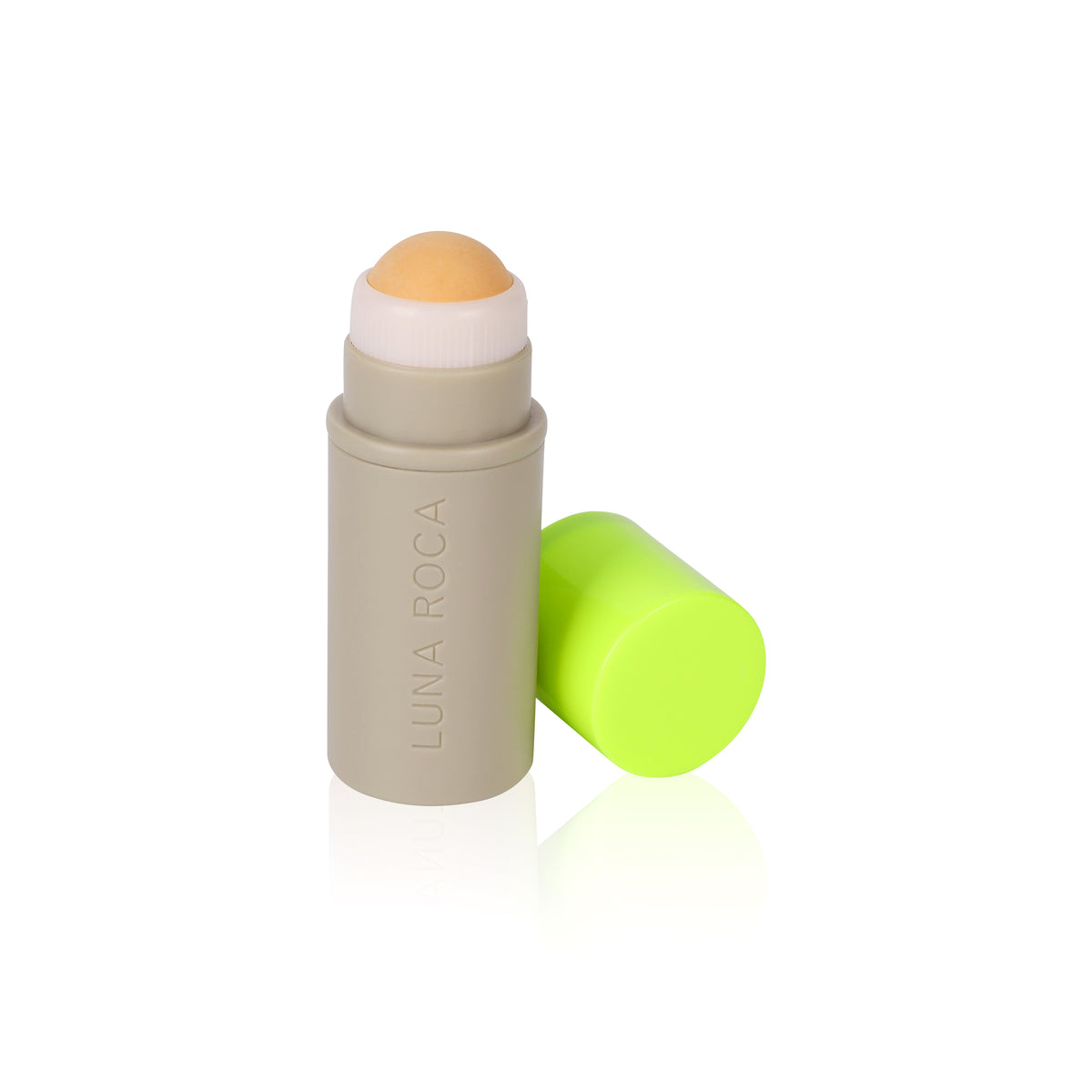
Luna Roca Journal How to Depuff Your Face in the Morning: 7 Gentle Methods Waking up with a little facial puffiness is common. A cool compress, light massage, and a few small adjustments can help the face look and feel more refreshed without turning the morning into a complicated routine. Why can your face look puffy in the morning? Temporary morning puffiness can have several triggers, including sleep position, crying, seasonal allergies, a salty evening meal, alcohol, or simply spending hours lying flat. The delicate area around the eyes tends to make small changes in fluid especially visible. Not every swollen face is ordinary morning puffiness. Dental infections, medication reactions, sinus problems, skin infections, and allergic reactions can also cause facial swelling. When to seek medical help Contact a healthcare professional if swelling is sudden, painful, one-sided, worsening, accompanied by fever or skin tenderness, or lasts more than a few days. Facial, tongue, or throat swelling with difficulty breathing or swallowing requires urgent medical care. Use light pressure. More force does not create a better result. 7 gentle ways to reduce morning puffiness Method 1 Apply a cool compress Place a clean, cool washcloth over the puffy area for a few minutes. Cooling temporarily narrows blood vessels and can help reduce visible swelling, especially around the eyes. Avoid placing bare ice directly on the skin. Stop if the area becomes uncomfortable or numb. Best for: A quick, low-effort morning reset Method 2 Use a light facial massage or roller Gentle, one-directional movement may help shift temporary fluid and relax facial tension. Start around the neck with very light pressure, then move from the centre of the face outwards. Avoid repeatedly rolling back and forth. The Luna Roca Rock & Roller adds a second function: its porous volcanic stone picks up excess surface oil while it rolls. Use it clean and dry, with light pressure, and avoid broken or irritated skin. Best for: Light massage with simultaneous shine control Method 3 Keep your head slightly elevated If morning puffiness happens regularly, a slightly elevated sleeping position may reduce fluid collecting around the face. Add comfortable support rather than stacking pillows so high that it disrupts sleep or strains the neck. Best for: Puffiness that appears after lying flat overnight Method 4 Rehydrate gently Start the morning with water and return to your normal hydration routine. There is no need to force excessive amounts at once. If congestion or a dry environment is involved, steady hydration may also help you feel more comfortable. Best for: Mornings after travel, heat, alcohol, or low fluid intake Method 5 Notice evening salt and alcohol Some people notice more puffiness after salty food or alcohol. Rather than following a rigid rule, observe the pattern and moderate the triggers that consistently affect you. Avoid making sudden restrictive dietary changes for occasional puffiness. Best for: Preventing a familiar next-morning pattern Method 6 Address known allergy triggers Seasonal allergies can make the eye area look swollen and irritated. Limit exposure to known triggers and follow the treatment plan recommended by your pharmacist or healthcare professional. Do not self-treat unexplained facial swelling as an allergy. Best for: Puffiness that appears with familiar seasonal allergy symptoms Method 7 Add a little morning movement A short walk or gentle stretching helps the body transition out of sleep and supports general circulation. It is not a targeted treatment for facial swelling, but it can be a useful part of a calmer, more energising morning routine. Best for: A whole-body morning reset Face roller vs gua sha vs cool compress These options do not perform exactly the same job. Choose according to the result you want, the time you have, and how sensitive your skin feels that morning. Option Main function Preparation Oil control Makeup-friendly Volcanic roller Light rolling and surface-oil absorption Use clean and dry Yes Yes, with light pressure Smooth face roller Cooling or light facial massage Optional chilling No Sometimes Gua sha Manual facial massage Usually needs slip from skincare No No Cool compress Temporary cooling and visible swelling relief Cool clean cloth No No For a wider look at tools that manage shine, read our guide to the best tools for oily skin. A simple five-minute morning routine 1 Cool for one minute Hold a clean, cool washcloth over the areas that look puffy. Keep the temperature comfortable. 2 Roll lightly for two minutes On clean, dry skin, roll gently from the centre of the face outwards. Use extra-light pressure around the eyes and never roll over irritated skin. 3 Apply simple skincare Follow with the products your skin already tolerates, then finish with SPF. Morning puffiness is not the time to experiment with a new active. 4 Clean the tool Remove the volcanic stone, rinse it as directed, gently tap it dry, and allow it to air-dry completely before reassembling. Frequently asked questions How quickly can morning puffiness improve? Mild temporary puffiness may settle gradually after you get upright and begin moving. A cool compress or gentle massage may make it look less noticeable, but results and timing vary. Can a face roller permanently change my face shape? No. A roller may temporarily reduce the look of puffiness and provide a light massage, but it cannot permanently sculpt bone structure or remove facial fat. Can I use the Rock & Roller over makeup? Yes. Use light pressure and roll rather than rub. The volcanic stone is designed to pick up excess oil without adding powder. Learn more about how volcanic face rollers work. When is facial puffiness a medical concern? Seek medical advice for swelling that is unexplained, persistent, sudden, painful, one-sided, or accompanied by fever, skin changes, dental pain, or eye pain. Difficulty breathing or swallowing requires urgent care. A simple reset for puffiness and shine The Luna Roca Rock & Roller combines a light rolling motion with natural volcanic stone that absorbs excess surface oil. It is compact, washable, refillable, and designed for quick everyday touch-ups. Explore the Rock & Roller
Learn more
Moon Phase Skincare: How to Build a Lunar Beauty Ritual
Luna Roca Journal Moon Phase Skincare: How to Build a Lunar Beauty Ritual A moon phase skincare routine is less about asking the moon to transform your skin and more about creating a rhythm you can maintain. Each phase becomes a prompt to check in, adjust what you need, and avoid doing everything at once. What moon phase skincare really means Lunar calendars have long been used to mark time, ritual, and renewal. In a modern beauty routine, the moon can work as a simple monthly framework: reset, build consistency, observe, then simplify. There is no strong clinical evidence that a particular moon phase changes how skincare ingredients perform. The practical benefit comes from regular check-ins. A repeating structure can help you avoid overusing actives, notice changes in your skin, and give recovery the same attention as treatment. The simple version Keep your daily essentials consistent, especially gentle cleansing, moisturiser, and SPF. Use the lunar phases as reminders to review your routine, not as strict biological rules. The most effective ritual is the one that stays simple enough to repeat. A four-phase lunar skincare routine Each moon phase lasts roughly one week. The routines below are flexible prompts, so adjust them to your skin, your existing products, and any guidance from your dermatologist. Phase 1 New moon: reset and review Use the beginning of the cycle to look at what is working. Clean brushes and tools, check expiry dates, and simplify any routine that has become crowded. Morning: Gentle cleanser, moisturiser, SPF Evening: Cleanser, hydrating serum, moisturiser Focus: Reset the routine before adding anything new Phase 2 Waxing moon: hydrate and build Make consistency the priority. If your skin already tolerates ingredients such as vitamin C, hyaluronic acid, or peptides, this phase can be a reminder to use them steadily rather than adding more. Morning: Cleanser, chosen serum, moisturiser, SPF Evening: Cleanser, hydrating serum, moisturiser Focus: Hydration and repetition Phase 3 Full moon: observe and balance Pause before changing the routine. Notice shine, dryness, sensitivity, or congestion, then respond only to what is actually present. For midday oil, use a targeted tool instead of layering more product. Morning: Gentle cleanser, light moisturiser, SPF Evening: Cleanser, familiar treatment if tolerated, moisturiser Tool: Use a clean volcanic stone roller for excess surface oil Phase 4 Waning moon: simplify and recover Finish the cycle with fewer steps. If skin feels dry or reactive, pause optional exfoliation and focus on gentle cleansing, hydration, and barrier-supportive moisturiser. Morning: Water or gentle cleanser, moisturiser, SPF Evening: Gentle cleanser, calming serum, moisturiser Focus: Comfort, recovery, and preparation for the next cycle Where the Rock & Roller fits The Luna Roca Rock & Roller has one clear skincare role: its porous volcanic stone picks up excess surface oil. Use it on bare skin or over makeup when shine appears, especially through the T-zone. The rolling motion also offers a light facial massage, but the tool should not be used to push serum deeper into the skin. Apply skincare as usual, allow it to settle, and use the roller separately when oil control is needed. Use For visible surface oil and on-the-go touch-ups Pressure Keep it light and avoid rubbing the skin Care Rinse the stone and let it air-dry completely For a closer comparison with blotting paper and powder, read our guide to the best tools for oily skin. How to track the cycle without overcomplicating it Use the moon calendar already built into many weather or calendar apps, or add four repeating reminders to your phone. At each phase, write down one observation about your skin and one adjustment, if any. After one or two cycles, the useful information will not be whether the moon caused a change. It will be which products feel comfortable, when you tend to over-exfoliate, and what your skin looks like when the routine stays consistent. Keep the basics steady Do not rotate essential products purely for the sake of the calendar. Daily SPF, gentle cleansing, and a suitable moisturiser matter more than following every phase perfectly. Does moon phase skincare actually work? There is no established evidence that moon phases directly change the effectiveness of skincare. What can work is the structure: regular observation, fewer impulsive product changes, planned recovery time, and more consistent care. Think of the lunar cycle as a thoughtful calendar rather than a treatment. If you experience persistent acne, irritation, pigmentation, or another ongoing concern, a qualified dermatologist can help build a routine around your skin rather than the moon. Frequently asked questions Can the moon directly affect my skin? There is no strong clinical evidence that a moon phase directly changes skin behaviour or makes ingredients work differently. The cycle can still be useful as a regular reminder to observe and adjust your routine. Do I need different products for every phase? No. Keep your core routine stable. The phase prompts are designed to change your focus, such as hydration or recovery, without requiring a completely different shelf of products. Can I use a volcanic face roller every day? You can use a clean volcanic roller when excess oil appears, provided your skin is comfortable and you use light pressure. Avoid broken or irritated areas and stop if the skin becomes sensitive. How is a volcanic roller different from a jade roller? Jade rollers have a smooth surface and are mainly used for a cooling facial massage. Volcanic stone has a porous surface designed to collect excess oil. Learn more in our guide to how volcanic face rollers work. One simple tool, whenever shine appears The Luna Roca Rock & Roller uses natural volcanic stone to absorb excess surface oil without adding powder or disrupting makeup. It is compact, washable, refillable, and designed for real life. Explore the Rock & Roller
Learn more
Volcanic Face Rollers: Do They Actually Work?
Luna Roca Journal Volcanic Face Rollers: Do They Actually Work? Volcanic face rollers promise a quick answer to midday shine. The idea is simple: roll the stone over skin, lift excess oil, and leave makeup in place. Here is how the tool works, where it fits into a routine, and what to expect from it. What is a volcanic face roller? A volcanic face roller is an oil-control beauty tool made with natural volcanic stone. Its porous surface picks up excess oil from the skin as it rolls, helping to reduce visible shine without adding powder or another layer of product. It serves a different purpose from a jade or rose quartz roller. Those smooth stones are typically used for cooling and facial massage. A volcanic roller is designed first for practical shine control, with the rolling action also supporting a light de-puffing massage. Why volcanic stone? Volcanic stone forms as lava cools, leaving a naturally porous texture. That surface can collect excess oil on contact. The result is immediate and physical, with no powder, mist, or disposable sheet added to the skin. Use gentle pressure and let the volcanic stone make contact with the areas where shine appears. What does it actually do? The main benefit is straightforward: it removes excess surface oil when and where you need it. The format also makes it useful beyond the bathroom shelf. Controls visible shine. Roll it across the forehead, nose, chin, or cheeks for a fast matte refresh. Works over makeup. Used with light pressure, the stone absorbs oil without adding another layer over foundation or concealer. Supports a de-puffing massage. Rolling from the centre of the face outwards creates a gentle massage that can support lymphatic movement. Reduces single-use waste. The stone can be washed, air-dried, and used again, making it a practical alternative to disposable blotting paper. Travels easily. The compact format fits into a work bag, makeup kit, or carry-on for touch-ups between plans. Volcanic roller vs blotting paper vs powder All three can reduce visible shine, but they do it in different ways. The most useful option depends on whether you want to remove oil, add coverage, or keep your routine reusable. Feature Volcanic roller Blotting paper Mattifying powder Approach Picks up excess surface oil Presses away surface oil Adds product to reduce visible shine Over makeup Designed for gentle rolling Can shift makeup if rubbed Can build up after repeated layers Reusable Yes, washable and refillable No, usually single-use No, requires replacement Best for Fast, mess-free touch-ups Occasional disposable touch-ups Extra coverage or setting makeup For a wider look at everyday oil-control options, read our guide to the best tools for oily skin. How to use a volcanic face roller 1 Start where shine appears Use the roller on bare skin or over makeup, focusing on the forehead, nose, chin, and cheeks. 2 Roll gently outwards Move from the centre of the face outwards using light, even pressure. There is no need to press hard. 3 Refresh as needed Keep it nearby for midday shine, post-commute touch-ups, long workdays, or a quick reset before going out. 4 Clean and air-dry Twist to unlock and remove the stone. Rinse it under warm water, gently tap it dry with a clean towel, and let it air-dry completely before returning it to the case. Who is it best for? A volcanic roller is especially useful for oily and combination skin, or for anyone who regularly reaches for blotting sheets and powder during the day. It also suits makeup wearers who want to reduce shine without repeatedly layering product. The compact format works well for commuters, travellers, makeup artists, and anyone who prefers a fast touch-up to a full skincare reset. For sensitive skin, use very light pressure, keep the stone clean, and avoid rolling over broken or irritated areas. Frequently asked questions Do volcanic face rollers really work? Yes, they can remove excess surface oil and reduce visible shine. They do not change how much oil the skin produces or treat acne. The Luna Roca Rock & Roller was awarded Bronze for Best Beauty Tool at the Get The Gloss Beauty Awards 2025. Can I use one over makeup? Yes. Roll gently rather than rubbing. This allows the stone to collect oil while helping foundation, concealer, and setting products stay in place. How long does a volcanic roller last? With regular cleaning and proper drying, a quality stone can support months of regular use. The Luna Roca design is refillable, so the stone can be replaced when needed. Is it suitable for sensitive skin? Many people with sensitive skin can use a volcanic roller, but pressure and hygiene matter. Start gently, keep the stone clean, and stop if the skin feels irritated. How is it different from a jade roller? A jade roller has a smooth surface and is mainly used for a cooling facial massage. Volcanic stone has a porous surface designed to collect excess oil, so shine control is its primary function. A practical reset for midday shine The Luna Roca Rock & Roller uses natural volcanic stone to absorb excess oil without adding powder or disrupting makeup. It is compact, washable, refillable, and designed for everyday use. Explore the Rock & Roller Looking for more reusable swaps? Read the best reusable beauty tools worth the investment.
Learn more
The Best Reusable Beauty Tools Worth the Investment in 2026
Luna Roca Journal The Best Reusable Beauty Tools Worth the Investment in 2026 A reusable beauty tool only earns its place when it makes a routine simpler. The best options do one job well, feel easy to clean, and stay useful long after a disposable alternative would have been thrown away. What makes a reusable beauty tool worth buying? Sustainable beauty does not require a complete routine reset. A thoughtful tool should replace something you already use, fit easily into your day, and hold up to regular cleaning. Material, function, and frequency of use matter more than novelty. Start with the item you reach for most often. If that is blotting paper, look at reusable oil-control tools. If cotton rounds disappear quickly, washable pads may make the clearest difference. Small, practical swaps tend to last. Our pick Volcanic stone face roller If blotting paper, mattifying spray, or powder is always close by, a volcanic stone roller offers a reusable alternative. Natural volcanic stone has a porous surface that collects excess oil on contact. Roll it gently across the T-zone to reduce visible shine without adding another layer over makeup. The Luna Roca Rock & Roller is compact, washable, and refillable. Its rolling action can also support a light de-puffing massage. It was awarded Bronze for Best Beauty Tool at the Get The Gloss Beauty Awards 2025. A quick shine reset for bare skin or makeup days. Use On-the-go shine control Care Rinse and air-dry completely Best for Oily and combination skin See how it compares with other options in our guide to the best tools for oily skin. Classic essential Gua sha stone A gua sha stone brings intention to facial massage without adding another powered device to the bathroom shelf. Used with a facial oil or serum, its smooth edge glides across the skin and can help release the feeling of facial tension while supporting a de-puffing routine. Consistency matters more than pressure. Keep the movement gentle, work from the centre of the face outwards, and clean the stone after each use. Use Facial massage Care Wash after each use Best for De-puffing and facial tension Everyday swap Reusable cotton pads Washable cotton or bamboo pads can replace disposable rounds for toner, micellar water, and gentle cleansing. Choose a set large enough to last between laundry days, then wash used pads in a mesh bag so they do not disappear into the machine. Texture is worth considering. Softer pads suit the eye area and daily use, while slightly textured versions can help lift residue without aggressive rubbing. Use Toner and gentle cleansing Care Machine-wash in a mesh bag Best for Replacing disposable rounds Skin reset Silicone facial cleansing brush A manual silicone brush helps distribute cleanser while offering gentle mechanical exfoliation. The flexible bristles are simple to rinse, and the tool dries quickly between uses when stored in an open, clean space. More pressure does not mean a better cleanse. Use slow, light circles and reduce frequency if skin begins to feel sensitive. Use Manual facial cleansing Care Rinse and dry after use Best for A gentle cleansing massage Hair and skin Silk or satin scrunchies and pillowcases Silk and satin create less friction than many traditional cotton fabrics. For hair, that can mean fewer snags from ties and less rough movement against a pillowcase overnight. For skin, a smooth surface can feel more comfortable and may help reduce temporary sleep creases. Both are washable and can stay in rotation for years when cared for according to the fabric instructions. Use Lower-friction hair care Care Wash gently as directed Best for Hair ties and overnight use How to build a reusable beauty kit You do not need to replace everything at once. Wait until a disposable product runs out, then consider whether a reusable tool can take over the same job. This keeps the process realistic and avoids buying more in the name of owning less. Look for durable materials, straightforward cleaning instructions, and a function that already fits your routine. Stone, bamboo, silicone, and silk can all be practical choices when the construction is good and the care feels manageable. A useful rule The best first swap is usually the product you replace most often. For anyone managing daily shine, that may be a volcanic stone face roller. For someone using cotton rounds every evening, washable pads may have more impact. Frequently asked questions What are the best reusable beauty tools to invest in? Useful options include a volcanic stone roller for shine control, a gua sha stone for facial massage, washable cotton pads, a manual silicone cleansing brush, and silk or satin accessories. The best choice is the one that replaces something already used regularly. Are reusable beauty tools better than disposable ones? They can be when they perform the same job, last through regular use, and are easy to clean. A reusable option is less useful if it is difficult to maintain or does not suit the way you already get ready. How should I start switching to reusable beauty tools? Replace disposable products as they run out. Begin with the one you repurchase most often, then add another swap only when the first has become part of your routine. How long does a volcanic stone roller last? With regular cleaning and complete air-drying, a quality volcanic stone roller can support months of regular use. The Luna Roca Rock & Roller is refillable, so the stone can be replaced when needed. Start with the swap you will actually use The Luna Roca Rock & Roller uses natural volcanic stone to absorb excess oil without adding powder or disrupting makeup. It is compact, washable, refillable, and designed for everyday touch-ups. Explore the Rock & Roller
Learn more
How to Stop Oily Skin Without Powder: 5 Methods That Actually Work
If you have checked your reflection at 2pm and wondered why your face looks like it has been dipped in oil, you are not alone. The good news is that you do not need to cake on powder every few hours to fix it. There are smarter, more natural ways to keep shine under control without clogging your pores or flattening your glow. Oily skin happens when your sebaceous glands produce more sebum than your skin needs. Hormones, humidity, stress, and even over washing can trigger it. The instinct is to reach for mattifying powder, blotting sheets, or heavy products, but these often make things worse over time. Powder sits on top of oil and can create a cakey, uneven look. Blotting sheets are a temporary fix that you will burn through by lunchtime. So what actually works? Here are five methods that control oil at the source without compromising your skin or your makeup. 1. Use a volcanic stone roller This is the method that changed the game for us, and part of why we built Luna Roca. Volcanic lava rock is naturally porous, meaning it absorbs excess oil on contact without stripping your skin or disturbing your makeup. You simply roll it across your T-zone, forehead, or chin, and the oil lifts away instantly. No residue. No mess. No reapplication of product. Unlike blotting sheets, a volcanic stone roller is reusable. Just rinse with warm water and let it dry. One roller can last months. It also supports lymphatic drainage, helping to de-puff and lightly sculpt your face throughout the day. If you want the full explanation of how the stone itself works, see what a volcanic stone face roller actually is. Pro tip Keep your volcanic roller in your bag for midday touch ups. It works over makeup without smudging, so you can use it at your desk, before a meeting, or after the gym. 2. Do not skip moisturiser This sounds counterintuitive, but skipping moisturiser is one of the biggest mistakes people with oily skin make. When your skin is dehydrated, it compensates by producing even more oil. A lightweight, oil-free moisturiser keeps your skin balanced so it does not go into overdrive. Look for ingredients like hyaluronic acid and niacinamide, which hydrate without adding grease. Apply on slightly damp skin after cleansing for best absorption. 3. Wash with a gentle cleanser, not a harsh one Stripping your skin with harsh, foaming cleansers might feel satisfying in the moment, but it triggers a rebound effect. Your skin behaves as though it has lost its natural protection and produces more oil to compensate. Use a gentle, pH-balanced cleanser that cleans without over drying. Cleanse morning and night, but resist the urge to wash more than that. 4. Use niacinamide as your secret weapon Niacinamide, or vitamin B3, is one of the most effective ingredients for regulating oil production. It helps minimise pores, reduce shine, and strengthen your skin barrier, all without drying you out. A serum with 5 to 10 percent niacinamide applied after cleansing can make a noticeable difference within a couple of weeks. 5. Watch your diet and hydration What you put in your body shows up on your skin. High-sugar, high-dairy diets have been linked to increased oil production and breakouts. Staying hydrated with water, not just coffee, helps your skin regulate itself from the inside out. It will not eliminate oily skin overnight, but over time it makes a real difference, especially combined with the right external routine. The bottom line Controlling oily skin does not mean piling on more product. It means working with your skin, not against it. A combination of the right tools, like a volcanic roller for instant oil control, the right hydration, and the right ingredients will keep you matte, fresh, and glowing without ever reaching for powder. For the fuller midday routine, see how to fix oily skin without ruining your makeup, or compare the wider category in the real reason blotting papers are a waste of money. Ready to ditch the powder? The Luna Roca Rock & Roller absorbs oil instantly, works over makeup, and lasts for months. 100% natural volcanic stone. No chemicals. No waste. Just fresh, balanced skin on the go. Shop the Rock & Roller. FAQ How do I stop oily skin without using powder? Focus on removing oil rather than covering it. A volcanic stone roller absorbs surface oil on contact without adding product, and pairing it with a lightweight moisturiser, a gentle cleanser, and niacinamide addresses oil production at the source. Does moisturiser help with oily skin? Yes. Skipping moisturiser can leave skin dehydrated, which often causes it to produce even more oil to compensate. A lightweight, oil-free formula with hyaluronic acid or niacinamide keeps skin balanced without adding grease. Does niacinamide actually reduce oil production? Niacinamide is one of the most studied ingredients for oil regulation. Used consistently at 5 to 10 percent, it can help minimise the look of pores, reduce shine, and strengthen the skin barrier within a couple of weeks. Is a volcanic stone roller reusable? Yes. Unlike blotting papers, a volcanic stone roller like the Luna Roca Rock & Roller is washable and reusable. Rinse it with warm water, let it air dry, and it is ready to use again, with one roller typically lasting months.
Learn more
What Makeup Artists Keep in Their Kit for Shine Control
On set, makeup has a job most of us never ask of it. It has to look identical in hour nine as it did in hour one, under lights, in heat, across dozens of frames. There is no midday do-over when a scene has to cut together. That pressure produces better habits. Professional artists solve shine differently to the rest of us, and almost none of it involves reaching for more product. The rule on set is continuity Continuity means the face cannot change. A cheek that was soft in the morning cannot be flat in the afternoon, because the shots have to cut together. This changes the whole approach. Artists are not touching up in the way most people think. They are maintaining what already exists, removing what has arrived, and adding as little as possible. Everything in the kit is chosen against that standard. If a tool changes the finish, it does not get used mid shoot. What is actually in the kit Tools that remove, not tools that cover The first response to shine on a professional set is removal. Oil is lifted off the surface before anything is considered as a top up. This is the step most people skip entirely at home. Powder goes straight on top of the oil, and the problem gets buried instead of solved. A very small amount of powder Powder exists in every kit, but it is used sparingly and precisely. A small brush, a specific area, and a pressing motion rather than a sweep. Under strong lighting, heavy powder can read as flat or chalky on camera. That risk keeps professional application light. Sponges and brushes used to press Sweeping moves product around. Pressing keeps it where it was placed. Almost every touch up motion in a professional kit is a press. A compact, reusable oil absorbing tool Kits are heavy and days are long, so anything that earns space has to be small, hygienic, and reusable. A volcanic stone roller fits that brief. It works over a full face of makeup, produces no powder cloud near a camera or a black wardrobe rail, and does not need replacing halfway through a job. The Rock & Roller was built around that use case, and it took bronze for Best Beauty Tools at the Get The Gloss Beauty Awards 2025. Why powder is the last resort, not the first Powder does absorb oil. It also sits on top of the makeup, and every application adds another layer. By the third touch up, that layer has thickness. Texture shows around the nose, fine lines catch the product, and the finish stops looking like skin. It is the same failure point covered in the real reason blotting papers are a waste of money, just reached from a different direction. Professional artists know they will need to touch up repeatedly across a long day. That knowledge is exactly why they start with removal instead. Hygiene is a working requirement A professional kit moves between faces, which makes cleanliness a practical concern rather than a preference. Anything that cannot be cleaned properly either gets used once or gets left behind. That is why disposables still exist in kits, and why reusable tools have to be genuinely washable to earn a place. A volcanic stone rinses under warm water in seconds and air dries between uses. Simple to clean is not a small feature on a twelve hour day. What long days teach you about quantity The clearest lesson from a professional set is how little product a long wearing face actually needs. Thin layers survive. Thick ones break apart, and once they do there is no quiet way to fix them mid shoot. It is the same principle that makes a nine to six day work at a desk or a full evening out. Less at the start means less to manage later, whether the finish you are protecting is matte, dewy, or somewhere in between, as covered in dewy vs matte for oily skin. What you can borrow from a pro kit Maintain rather than reapply. Work with what is already on your face. Remove the oil first. Adding anything on top of shine makes it worse. Press, do not sweep. Movement is what breaks a base down. Keep powder small and specific. A little, in one area, with intention. Choose tools you can clean and keep. Hygiene matters more the more you use something. The takeaway A professional kit is not a longer list of products. It is a shorter list of better decisions, tested across days that run far longer than yours. The most useful habit to steal is the simplest one. When shine appears, take it away rather than covering it up. Everything after that is easier. Shop the Rock & Roller. FAQ How do makeup artists control shine on set? They remove oil before adding anything. On a professional set the priority is continuity, so the face has to look the same all day. Artists lift surface oil first, then use a very small amount of powder in specific areas if it is needed at all. Why do professional artists avoid using a lot of powder? Powder sits on top of the makeup and builds with every application. Across a long day of repeated touch ups it creates visible texture, and under strong lighting a heavy layer can read as flat or chalky on camera. What tools do makeup artists use for touch ups? Tools that remove rather than cover, small brushes and sponges used with a pressing motion, minimal powder, and compact reusable oil absorbing tools. Anything that changes the finish mid shoot is avoided. Is a volcanic stone roller suitable for professional makeup kits? Yes. It is compact, reusable, and works over a full face of makeup without creating powder fallout near a camera. The Luna Roca Rock & Roller was designed for on set touch ups and took bronze for Best Beauty Tools at the Get The Gloss Beauty Awards 2025.
Learn more
Post-Workout Shine: How to Refresh Your Face After the Gym
You finish a session, cool down, and glance in the mirror. The redness fades within twenty minutes. The shine does not. Post-workout shine is its own problem, and it rarely gets solved by the products people keep in a gym bag. Here is what is actually happening and the fastest way to reset. Sweat and oil are not the same thing Sweat is mostly water and salt. It cools you down and then evaporates, leaving very little behind. Sebum is oil. Heat and increased circulation push more of it to the surface during exercise, and unlike sweat, it stays there. That is why you can feel completely dry twenty minutes after training and still look shiny across the forehead, nose, and chin. The water has gone. The oil has not. Why washing your face is not always the fix A proper cleanse is ideal when you have the time and a clean sink. Most people have neither between a class and the rest of their day. The alternative people reach for is worse. Harsh gym soap or repeated cleansing strips the skin, and skin that feels stripped often responds by producing more oil, not less. Face wipes are the other habit worth breaking. They drag, they leave residue, and they push sweat and product around the face rather than removing it. The five minute gym bag reset Cool down first. Let sweating finish before you touch your face, or you will be resetting twice. Press a clean towel over damp areas. Press, do not rub. Rubbing irritates skin that is already warm. Roll a volcanic stone over the forehead, nose, and chin to lift the oil that is left behind. Add a light moisturiser, and sunscreen if you are heading back outside. Only then, if you want it, a thin layer of base. Nothing heavy on skin that is still warm. The whole sequence fits between the changing room and the door. What to do before you train The reset is easier if the starting point is lighter. A full face of base applied an hour before a session is going to move, whatever you do afterwards. If you prefer not to train bare faced, keep it to a thin skin tint, a brow product, and nothing that needs to survive heat. Heavy cream products and long wear liners are the first things to travel. If you train outdoors, sunscreen still applies. A fluid or gel texture sits better under sweat than a rich lotion, and it is worth reapplying afterwards rather than skipping it. If you train before work Morning training is where this matters most, because whatever you do in the changing room has to hold for the next eight hours. Give yourself ten minutes between finishing and applying anything. Skin that is still cooling will reject makeup applied too soon, and the base will break down before your first meeting. Keep base layers thin. A full coverage foundation applied to warm skin at 8am is not going to look the same at 11am, whatever you set it with. For the fuller routine, see oily skin at work. If you wear makeup to class Plenty of people do, and there is no rule against it. The issue is what to do afterwards when a full removal is not an option. A volcanic stone roller works over makeup as well as on bare skin, which is what makes it useful here. Rolled gently across the T zone, it absorbs the oil that has surfaced without lifting the makeup underneath. The same principle carries you through the rest of the day, covered in how to stop midday shine without touching your makeup. The Rock & Roller is compact enough to live in a gym bag permanently, with a cap that keeps the stone clean between uses. There is nothing to spill, nothing to run out of, and nothing to throw away. Keeping the tool clean Gym use means more oil and more frequent cleaning. Twist to unlock the stone, rinse it under warm water, tap it dry with a clean towel, and let it air dry fully before reinserting. A rinse every few days is enough for most people. If you train daily, make it part of the same routine as washing your kit. The takeaway The shine that lingers after a workout is oil, not sweat, and it needs absorbing rather than wiping. Cool down, press dry, lift the oil, and go. Five minutes, one tool, and no need to rebuild your face in a changing room mirror. Shop the Rock & Roller. FAQ Why is my face shiny after a workout? Sweat is mostly water and evaporates quickly, but heat and increased circulation also push more sebum to the surface during exercise. That oil stays behind after the sweat has gone, which is why skin can feel dry and still look shiny across the T zone. Should I wash my face right after the gym? A gentle cleanse is ideal if you have time and a clean sink. Harsh soap, repeated washing, or face wipes can strip and irritate warm skin, and stripped skin often produces more oil in response. Pressing dry with a clean towel and absorbing the remaining oil is a better option when a proper cleanse is not possible. How do I refresh my face after exercise without redoing my makeup? Let the skin cool, press a clean towel over damp areas, then roll a volcanic stone over the forehead, nose, and chin. The Luna Roca Rock & Roller works over makeup as well as bare skin, absorbing surface oil without lifting what is underneath. What should I keep in my gym bag for oily skin? Keep it minimal. A clean small towel, a light moisturiser, sunscreen if you are going back outside, and one reusable tool to absorb oil. A compact roller with a cap replaces a stack of single use blotting sheets and takes up almost no space.
Learn more
How to De-Puff Your Face in the Morning: A Two-Minute Routine
Some mornings your face looks like it needs an hour to catch up with you. Heavier around the eyes, softer along the jaw, a little swollen across the cheeks. You know it will settle on its own eventually, but eventually is not always fast enough. Morning puffiness is normal and usually temporary. It also responds well to two minutes of the right movement, which is far less effort than most routines suggest. Why your face is puffy when you wake up Lying flat for seven or eight hours lets fluid settle in the face rather than draining downwards as it does when you are upright. The lymphatic system, which moves that fluid, has no pump of its own. It relies on movement and gentle pressure. Overnight, it gets neither. Salt, alcohol, a late meal, a short night, or a warm room all make the effect more obvious. So does sleeping face down on a pillow. Direction matters more than pressure The most common mistake is pushing too hard. Lymphatic vessels sit close to the surface of the skin, so heavy pressure does not reach them and can leave the skin red. What matters is direction. You are guiding fluid towards the drainage points at the sides of the neck and in front of the ears, which means most strokes move outward and down rather than up. Cool temperature helps too, briefly. It constricts surface vessels and makes the face feel tighter and more awake, which is why a stone tool works better than warm hands. The two minute routine Do this on clean skin before anything else, or over a moisturiser that has fully absorbed. Keep the pressure light enough that the skin barely moves. Start at the neck. Roll gently down each side of the neck, five slow passes. This opens the path everything else drains into. Move to the jaw. Roll from the centre of the chin out towards the ear, three passes each side. Then the cheeks. Roll from beside the nose out towards the ear, following the cheekbone, three passes each side. Under the eyes, use the lightest touch you have. Move from the inner corner outwards, two passes only. Finish at the forehead. Roll from the brows up towards the hairline, then out towards the temples. Return to the neck for two final passes. Ending where you started keeps the sequence complete. Why a stone roller suits the morning A volcanic stone roller has weight, a naturally cool surface, and enough grip to guide fluid without dragging the skin. It does the job hands alone do slowly, and it takes the guesswork out of how much pressure is too much. There is a second benefit if your skin runs oily. Overnight sebum builds while you sleep, which is why many people wake up shiny before they have done anything at all. The Rock & Roller is made from 100% natural volcanic lava stone, so it absorbs that surface oil as it rolls. You de-puff and reset shine in the same two minutes, which leaves cleaner skin for makeup to sit on. If you are weighing up whether a roller belongs in your routine at all, see are face rollers worth it for oily skin. What to expect, honestly This is a short term reset, not a structural change. It softens overnight fluid retention and makes the face look more defined for the day ahead. Results are most obvious around the eyes and along the jaw. They are least obvious if the puffiness is caused by something the routine cannot address, such as illness or an allergy. Consistency is what makes it worth the time. Two minutes daily does more than ten minutes once a week. What else helps before you start A few things quietly reduce how puffy you wake up in the first place, and none of them require a product. Raise your pillow slightly. Sleeping with the head a little higher lets fluid drain rather than settle. Watch salt and alcohol in the evening. Both hold water, and the face shows it first. Drink water in the morning. Dehydration makes the body retain more, not less. Keep heavy eye creams to a thin layer at night. Rich textures around the eye can add to morning heaviness. None of these replace the routine. They just mean you start from a better place, and two minutes goes further. For more on how the stone itself works, see what a volcanic stone face roller actually is. Make it easy to keep Keep the roller where the routine happens. On the bathroom shelf, in a bedside drawer, or in the bag you take to the gym in the morning. Rinse the stone under warm water when it needs it, tap it dry, and let it air dry fully before putting it back in the case. A tool you can see is a tool you use. That is most of the routine, right there. Shop the Rock & Roller. FAQ Why is my face puffy in the morning? Lying flat overnight lets fluid settle in the face instead of draining downwards. The lymphatic system that moves that fluid has no pump of its own and relies on movement and gentle pressure, so it slows while you sleep. Salt, alcohol, a late meal, a short night, or a warm room all make the effect more noticeable. How do you de-puff your face quickly? Use light pressure and correct direction rather than force. Start at the sides of the neck, then move from the chin out towards the ears, from beside the nose along the cheekbone, and from the brows up and out. Two minutes is usually enough, and a cool stone tool works better than warm hands. Does a face roller actually help with puffiness? A roller helps by guiding fluid towards natural drainage points and by adding a cool surface that makes the skin feel tighter. It is a short term reset rather than a structural change, and the results are most visible around the eyes and along the jawline. Can you use a volcanic stone roller for de-puffing? Yes. The rolling motion supports lymphatic drainage in the same way any smooth roller does, and volcanic lava stone adds a second benefit for oily skin by absorbing the sebum that builds overnight. The Luna Roca Rock & Roller handles both in one two minute routine.
Learn more
Why Sunscreen Makes Oily Skin Shiny (And What to Do About It)
Sunscreen is non negotiable. On oily skin, it is also the product most likely to leave you shiny before the morning is over. It is an odd trade to keep making every day, protection in exchange for a finish you have to manage by mid morning. That is not a reason to skip it. It is a reason to understand what is happening, because the shine usually has more to do with texture and layering than with the number on the bottle. Why sunscreen and oily skin clash Most sunscreens rely on emollients to spread evenly and hold a continuous film across the skin. Those ingredients sit on the surface, and on an oily face they add to what is already there. Mineral formulas can feel drier going on, but the base still needs slip. Once body heat warms it, many settle into a wet looking finish rather than a matte one. Then there is the amount. Proper coverage for the face is around a quarter of a teaspoon. That is more product than most people are used to wearing, and it shows. The habits that make it worse Choosing a glow formula Radiance sells. Oily skin does not need the help. If the label promises dew, luminosity, or a lit from within finish, it is working against you by lunch. Doubling up on moisturiser Sunscreen already contains hydrating ingredients. A rich cream underneath adds another layer for oil to push through, and the two often separate as the day goes on. Powdering too soon Applying powder before sunscreen has set is how pilling starts. The layers roll together, and the finish looks patchy rather than smooth. What actually works Choose a fluid, gel, or dry touch texture. These formulas sit closer to the skin and leave less of a film for oil to build on. Apply in two thin layers rather than one heavy one. You get the same coverage with less slip on the surface. Give it five minutes. Sunscreen needs time to set before makeup goes on top. Rushing this step is the most common reason a good formula behaves badly, and it is the easiest one to fix. The reset that keeps your SPF where it is Here is the part most guides skip. The shine you see at eleven in the morning is rarely the sunscreen itself. It is your own oil arriving on top of it. Wiping with a tissue removes both. Powder buries the problem and adds texture. Neither is a clean fix. A volcanic stone roller works differently. The Rock & Roller is made from 100% natural lava stone, which is porous and absorbent by nature. Rolled over the T zone, it lifts the oil sitting on the surface without dragging everything underneath it. If you are due a reapplication, roll first. Fresh sunscreen goes on far more evenly over a matte surface than a slick one. What about the SPF in your foundation? Foundation with SPF is a bonus, not a plan. You would need far more product than anyone actually applies to reach the protection stated on the label. Treat it as a small extra. The sunscreen underneath is still doing the work, and a heavy base on oily skin creates its own problems by mid afternoon. Reapplying without redoing your face The two hour rule is where most routines fall apart. Nobody wants to layer sunscreen over a full face of makeup. The order that works is simple. Absorb the oil first, then reapply with a light hand, pressing rather than rubbing. A stick or fluid formula is easier to control over makeup than a lotion. It will never be as neat as a fresh application in the morning. It does not need to be. Protection that happens beats protection that is perfect in theory. A simple SPF routine for oily skin Use a light moisturiser and let it absorb fully. Apply a fluid or gel sunscreen in two thin layers. Wait five minutes before makeup. When shine appears, roll the stone over the forehead, nose, and chin. Reapply every two hours onto a matte surface rather than a shiny one. The takeaway Sunscreen is not the reason your skin looks greasy by mid morning. The texture you chose, the layers underneath, and the oil arriving on top are doing most of the work. Fix those three things and SPF stops feeling like a compromise. You keep the protection, and you stop negotiating with your finish all day. For the wider mid-day method, see how to fix oily skin without ruining your makeup, or shop the Rock & Roller. FAQ Why does sunscreen make my face look shiny? Most sunscreens use emollients to spread evenly and hold a continuous film, and those ingredients sit on the surface of the skin. On an oily face they add to the oil already there. The correct amount, around a quarter teaspoon for the face, is also more product than most people are used to wearing. What type of sunscreen is best for oily skin? Fluid, gel, and dry touch textures suit oily skin best because they sit closer to the skin and leave less film for oil to build on. Avoid formulas marketed as dewy, glowing, or luminous, and apply in two thin layers rather than one heavy one. How do I stop shine over sunscreen without removing it? The shine that appears a few hours after application is usually your own oil sitting on top of the sunscreen. A volcanic stone roller lifts that surface oil without wiping the layer underneath away. The Luna Roca Rock & Roller does this in a few passes over the T zone, with no powder involved. How do you reapply sunscreen over makeup? Absorb the surface oil first, then reapply with a light hand, pressing the product in rather than rubbing it across the skin. A stick or fluid formula is easier to control over makeup than a lotion, and fresh sunscreen sits more evenly on a matte surface than a shiny one.
Learn more